Building an Energy Legacy at Rockport
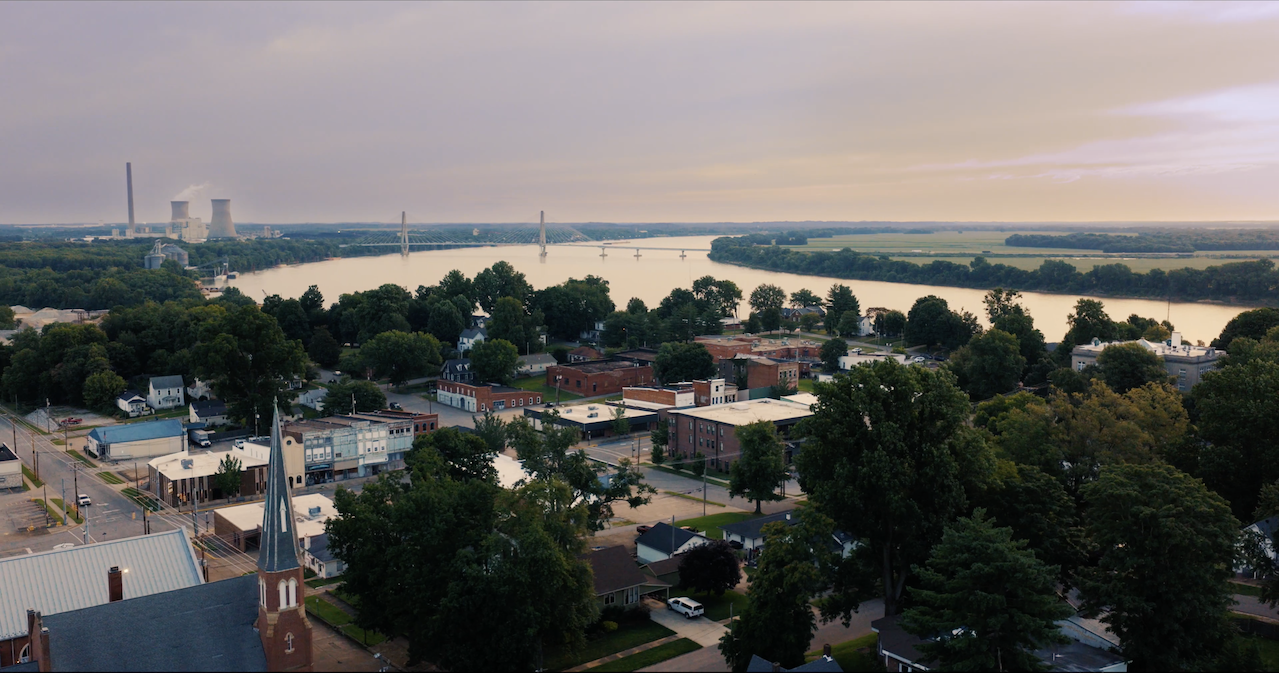
To meet growing electricity demand with clean energy, Indiana Michigan Power is exploring the development of advanced nuclear technology, such as advanced large reactors or small modular reactor (SMRs), and has identified the former Rockport Plant site in Spencer County, Indiana as a potential site. Project updates, such as community engagement and site studies, will be shared throughout the process and can be found below.
Project Updates
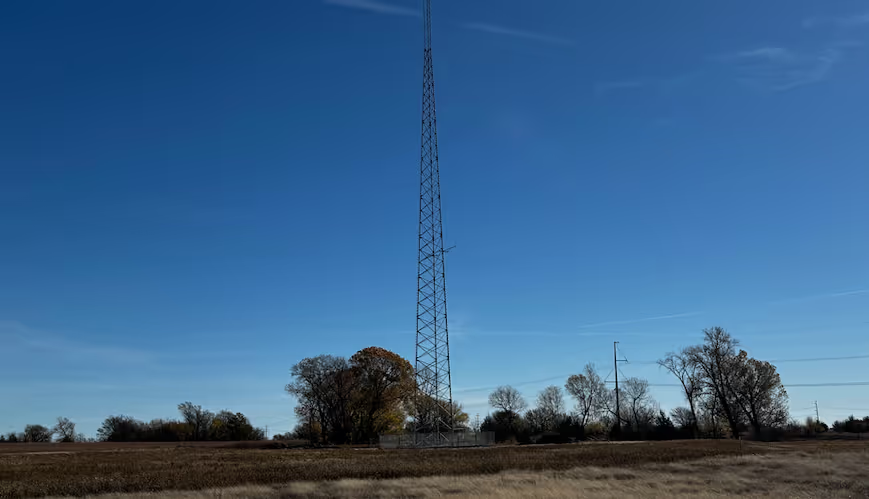
March 30, 2026: As part of the rigorous site characterization process required by the U.S. Nuclear Regulatory Commission, Indiana Michigan Power completed the installation of a meteorological evaluation tower, or “MET tower,” at the Rockport project site. The tower measures wind speed, direction, temperature, humidity and other atmospheric data, which helps assess local climate conditions relevant to reactor design and operation.
August 1, 2025: Teams began collecting water and soil sample from the Ohio River and the surrounding area around the project site. These samples will help Indiana Michigan Power determine the site’s hydrology, soil composition and groundwater conditions for future development.
January 17, 2025: Indiana Michigan Power announced plans to explore the Rockport property as a potential nuclear site and submitted an application with the U.S. Department of Energy for federal grant funds to support the necessary site studies and the development of an Early Site Permit application with the U.S. Nuclear Regulatory Commission.
November 2024: Indiana Office of Energy Development released a siting report performed by Purdue University that identified Rockport as a suitable site for nuclear development.
Field Activities
Engineers and scientists conduct extensive site studies to evaluate the feasibility and suitability for SMR development.
Examples of common activities include...

Environmental Surveys
Biologists and environmental scientists scope and conduct field surveys, including but not limited to, to gather information about wetlands and other waters, wildlife and their habitats, and rare, threatened, endangered and other protected species.
Meteorological Evaluation Tower (MET)
Surveyors collect information about the habitats and physical attributes of the project area. They also look for ecological concerns like wetlands, flood plains and forests. This process can help protect endangered species, such as the Indiana Bat and American Burying Beetle.
Fencing
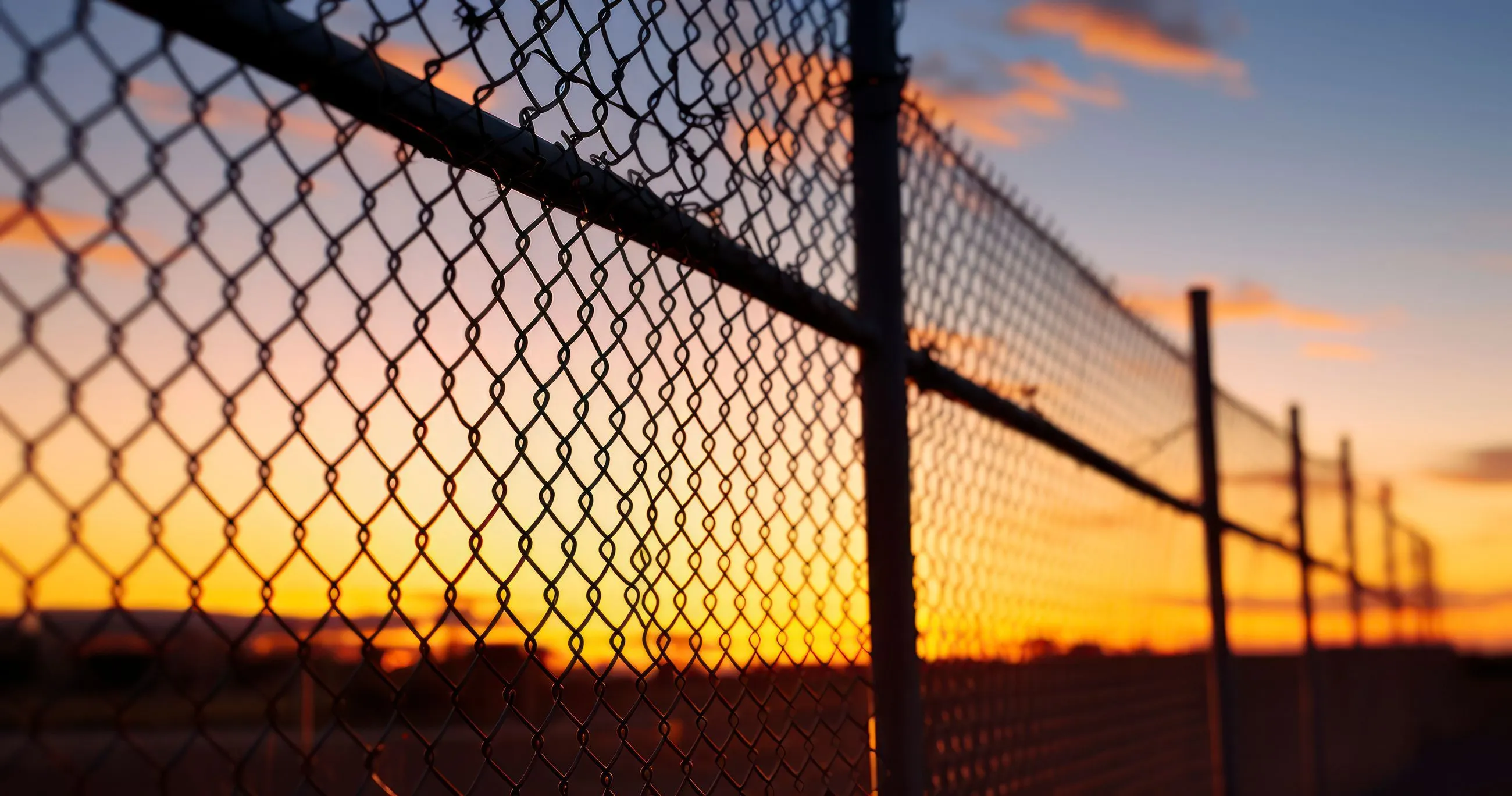
Installation of protective and boundary fencing around site property to ensure safety and security. Specifically, the fencing will control site access, demarcate property lines, and prevent unauthorized entry.
Subsurface Investigations
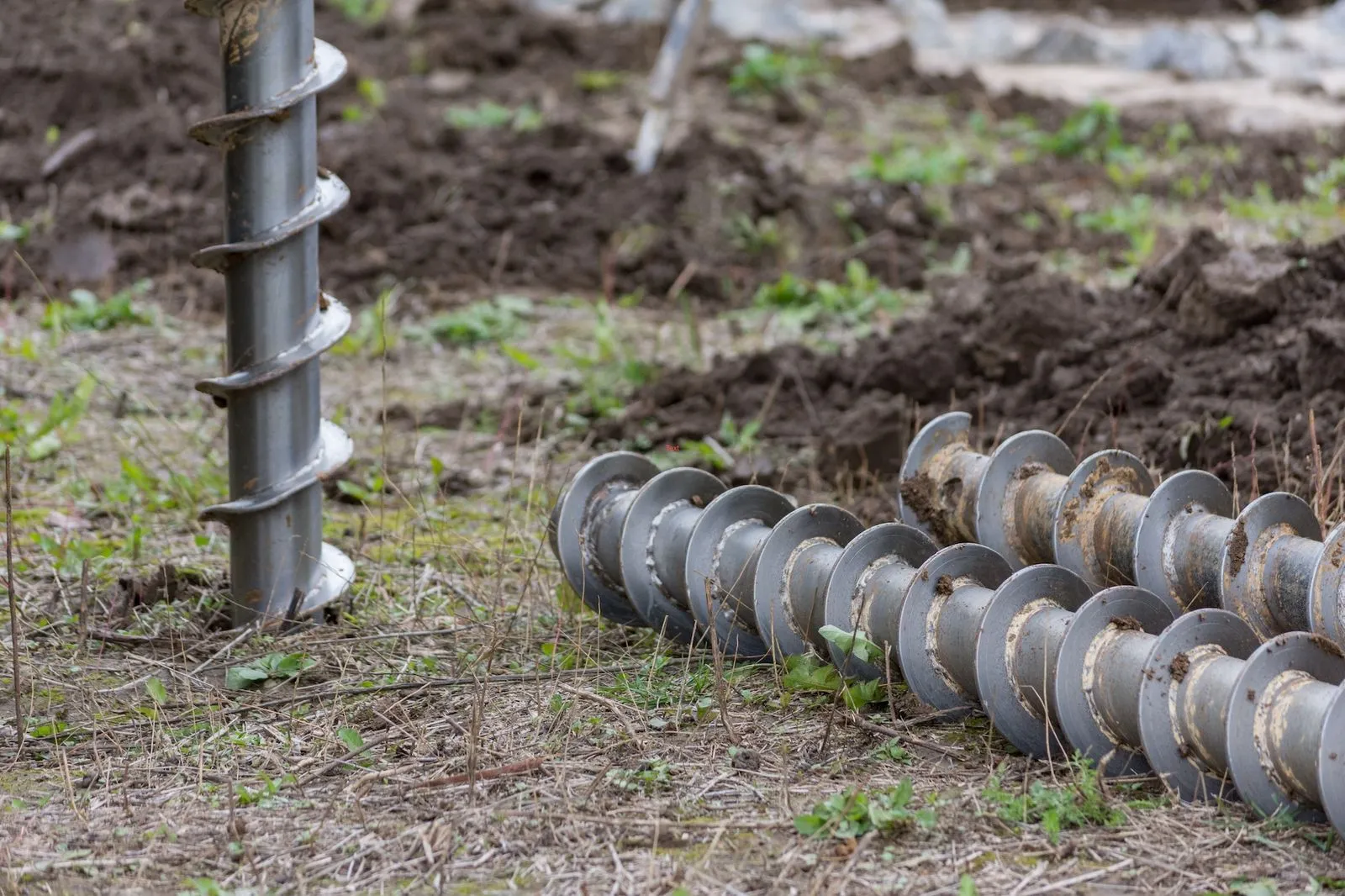
Drilling and boring activities will take place in order to install groundwater monitoring wells and to take boring samples of the site. This information is required to characterize the site for the U.S. Nuclear Regulatory Commission's Early Site Permitting Application process.
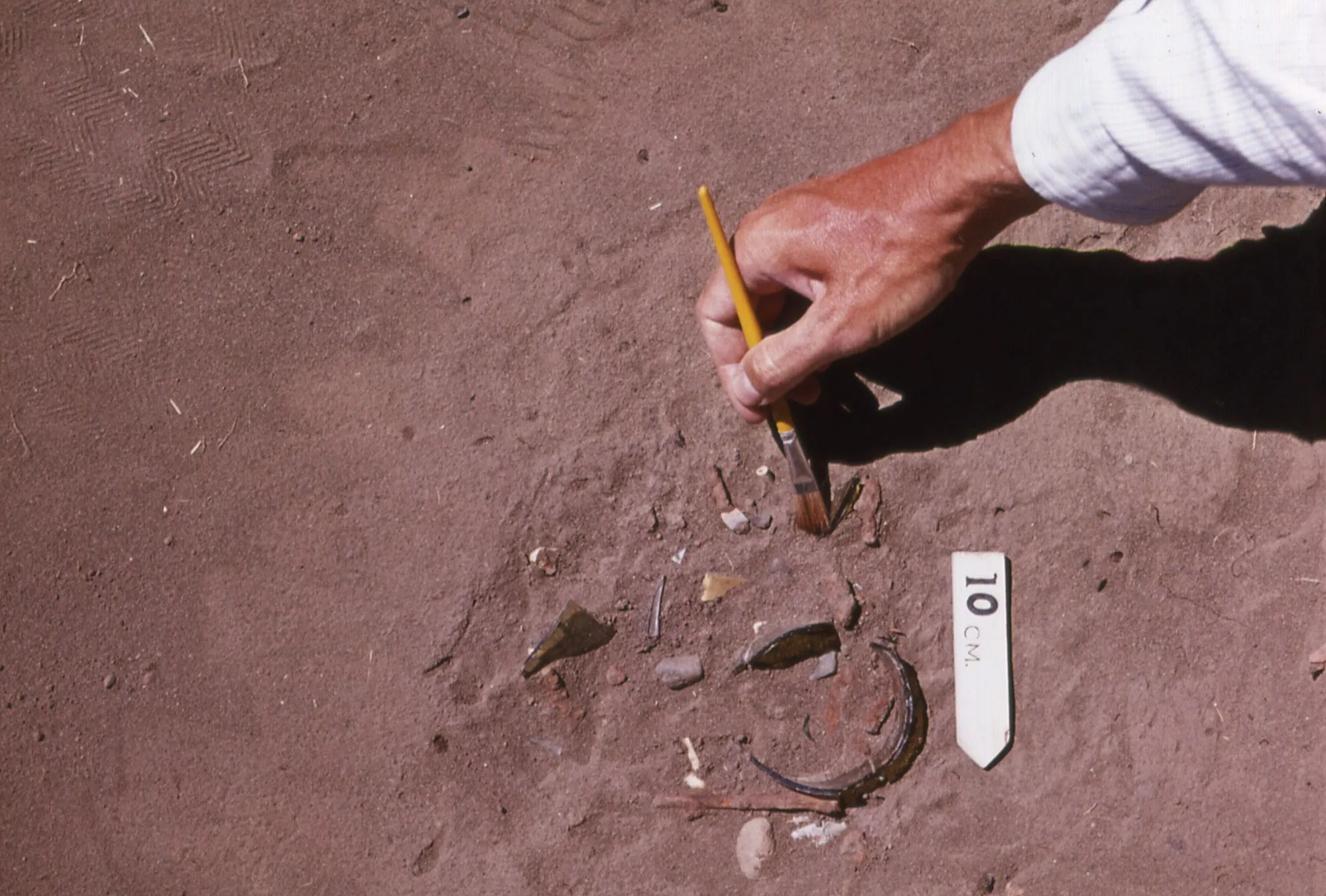
Historical and Cultural Resources Survey
Archaeologists and historians perform literature reviews and field investigations of the site.
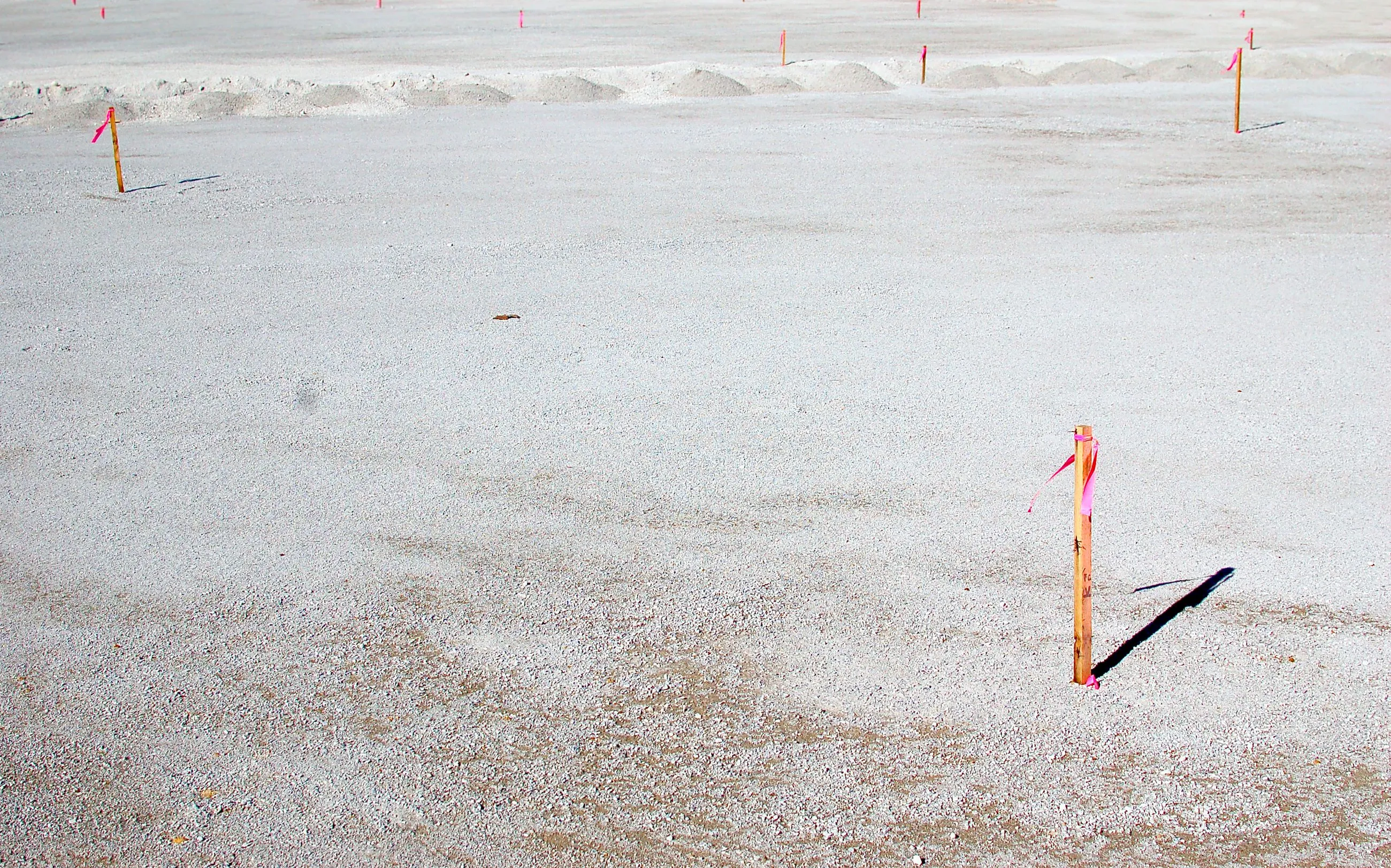
Land Surveying
Field crews use staking to mark the project area, identify site features, and pinpoint future structure locations. Environmental crews use staking to identify wetlands or other environmentally sensitive areas.